Free Peppol? A full breakdown of all e-invoicing costs
Peppol works a bit like a European motorway for e-invoicing. The motorway is public and open: you don’t pay any “toll” to use it. But just like in real traffic, you do need a vehicle that can drive on it. In e-invoicing, that “vehicle” is your software and/or a Peppol Access Point. In this article, we make the distinction crystal clear: what’s truly free, what do you pay for, and how do you avoid surprises? We also share Belgian examples and show how you can start for free today with B2Brouter - Combell’s e-invoicing software - with a 20% lifetime discount when you upgrade.
- Free e-invoicing? Peppol is open, but using it is not automatically free
- The difference between the Peppol network and your software/Access Point
- Using Peppol for free: what's possible, and what are the limits?
- Free sending/receiving: portals and tools
- Where free plans usually stop
- Receiving vs sending: why receiving matters more than you think
- What does Peppol cost in Belgium?
- Mandatory e-invoicing in 2026: what changes and what do you need?
- The key question: is a free plan enough for you?
- Micro-entrepreneur (0-10 invoices/month)
- Small SME (10-200 invoices/month)
- Scale-up/growth (200+ or peak periods)
- Free plan + 20% lifetime discount? Choose B2Brouter
- Frequently asked questions about free Peppol
TL;DR
Peppol as a network is free and open.
Use is not automatically free, because you need software or an Access Point to send/receive e-invoices.
You can start for free (e.g. with B2Brouter or via Mercurius for invoices to government bodies), but free plans have limitations.
With B2Brouter, you can start for free and upgrade later with a 20% lifetime discount via Combell.
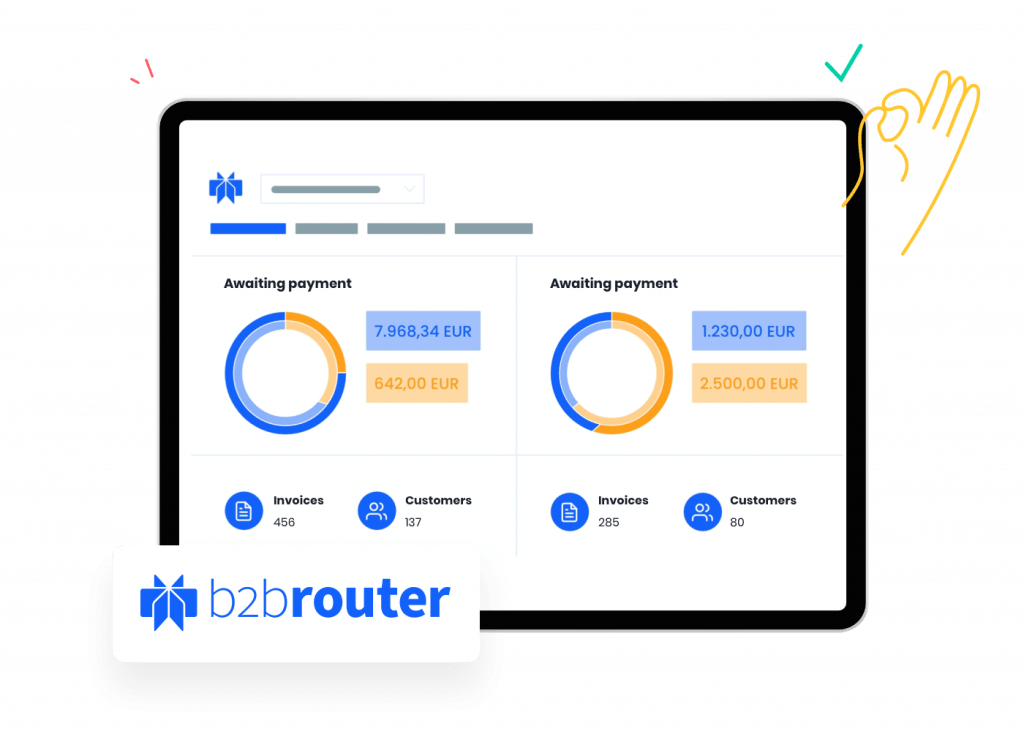
Free e-invoicing? Peppol is open, but using it is not automatically free
To be clear: Peppol is not software and not an invoicing tool. It’s a set of agreements and an international network that lets organisations exchange structured e-invoices securely.
Think of standards like EN 16931/Peppol BIS (the “language” of the invoice) and AS4 (the secure transport layer).
With those in place, every compliant organisation can send invoices to:
However, the fact that Peppol is open does not mean actual usage is free. The network itself costs nothing but connecting to it does. Providers invest in development, hosting, certification, cybersecurity, updates (such as new Peppol BIS versions), support and audit trails. That is what you pay for.
The difference between the Peppol network and your software/Access Point
Let’s split it cleanly:
Peppol network
Software / Peppol Access Point
B2Brouter is one such e-invoicing tool with a built-in Peppol Access Point. Meaning you don’t need to build or maintain a technical Peppol integration yourself.
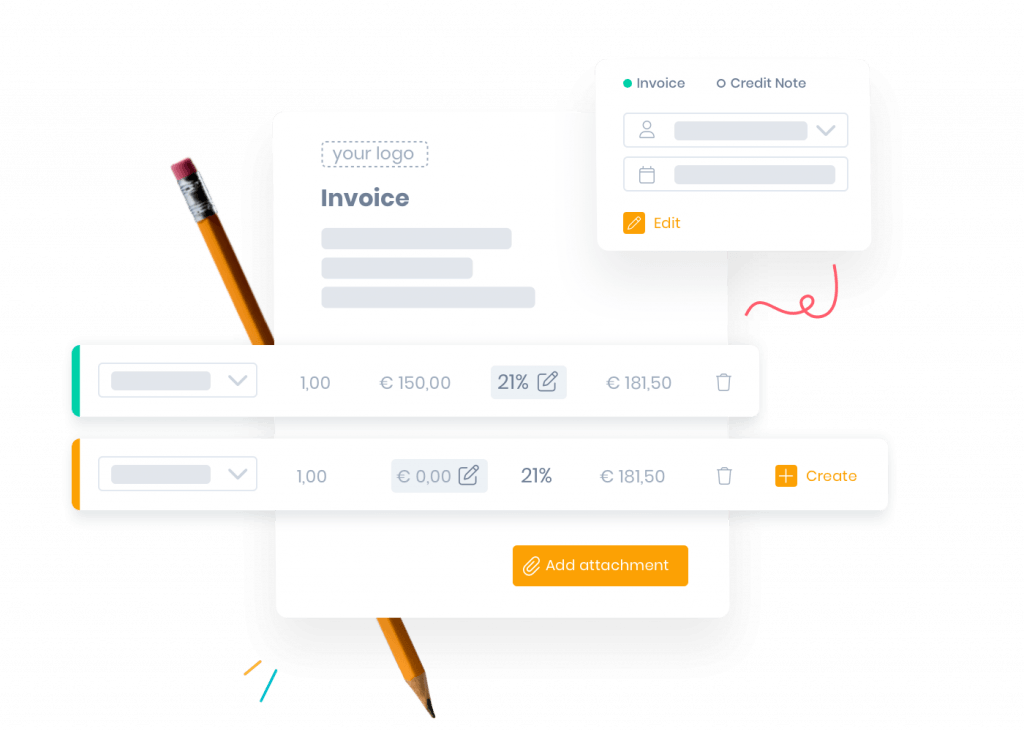
Using Peppol for free: what's possible, and what are the limits?
Free is absolutely possible, but almost always with boundaries. Think of it as an entry-level plan, ideal for testing or for very low volumes.
Free sending/receiving: portals and tools
In Belgium, you can send e-invoices to government bodies via the temporary Mercurius platform. You can even enter invoices manually if you send only a few per year. Handy, but optional.
Some providers offer a free tier that lets you send structured invoices via Peppol. In B2Brouter’s case: you start for free with a limited number of transactions to get familiar with e-invoicing.
Where free plans usually stop
A “free” e-invoicing tool is perfect to begin with, but expect limitations such as:
➡️ Volume limit
For example, you can only send/receive up to X transactions per month/year for free. If you exceed this limit, you will be charged per document or you will need to upgrade.
➡️ Limited archive or retention period
Sometimes you only get basic storage or no extensive search/audit archive.
➡️ Limited number of users
Usually just yourself or one additional user. Workflow with approvals is often included in paid plans. This is also the case with B2Brouter.
➡️ No orders/delivery notes via Peppol
Free = often only invoices. If you want procure-to-pay (orders, order confirmations, delivery notes), you will need to opt for a higher-priced plan.
➡️ Limited integrations
API access or links to your accounting/ERP/webshop are rarely included in free plans.
Tip
With B2Brouter, you start free and upgrade only when your volume or processes require it. Through Combell you also get a 20% lifetime discount on Professional or Business plans.
Receiving vs sending: why receiving matters more than you think
Most businesses focus on sending first, but receiving quickly becomes the real game changer:
Good to remember: some providers allow you to receive a limited number of documents free of charge, but if you regularly receive supplier invoices, a fixed subscription is usually cheaper and more stable than pay-per-document.

What does Peppol cost in Belgium?
Peppol itself is free of charge. However, in practice, your monthly bill varies greatly depending on your provider and usage profile. In Belgium, there are two main models:
Subscription vs. pay-per-document
1) Subscription
2) Pay-per-document
At B2Brouter, you have a free entry-level plan for a limited number of transactions, followed by paid packages (Professional/Business). The exact price may vary, but the model is clear: you mainly pay for volume, users and automation.
Avoiding hidden costs
Keep an eye on these frequently overlooked items:
➡️ Archiving & retention periods
Belgian regulations require you to retain invoices for several years. Check whether long-term archiving is included.
➡️ Additional users and approval flows
If you work with an accountant, colleagues or approvals, you will quickly need to upgrade.
➡️ Integrations and API
A link to your accounting/ERP/webshop or automation via API is almost always included in higher-level plans, which are not free.

Mandatory e-invoicing in 2026: what changes and what do you need?
From 1 January 2026, structured e-invoicing becomes mandatory for most B2B transactions between Belgian VAT-liable businesses. PDF invoices via email will not be compliant.
In concrete terms, this means:
In short: if you want to be legally compliant, by 2026 you must at least have software that can create/receive UBL and is Peppol-ready.
The key question: is a free plan enough for you?
It depends on volume, complexity and growth.
Micro-entrepreneur (0-10 invoices/month)
The free plan is often sufficient. You send invoices correctly, without overhead. As soon as you start invoicing more frequently or want to automate, you can take out a basic subscription.
Small SME (10-200 invoices/month)
A subscription quickly pays for itself in time savings: automatic validation, supplier inbox, archive and basic workflow. Pay-per-document can quickly become expensive.
Scale-up/growth (200+ or peak periods)
Do you want API/ERP links, order and delivery messages via Peppol and SLA support? Then the free plan is too limited.

Free plan + 20% lifetime discount? Choose B2Brouter
Why start with the free plan?
Why upgrade later?
As soon as you recognise one of these situations, a paid plan becomes interesting:
And thanks to Combell, you get 20% lifetime discount on Professional/Business plans.
Frequently asked questions about free Peppol
Related posts